Does EMI Lock Hurt Customer Experience? What Lenders Should Know
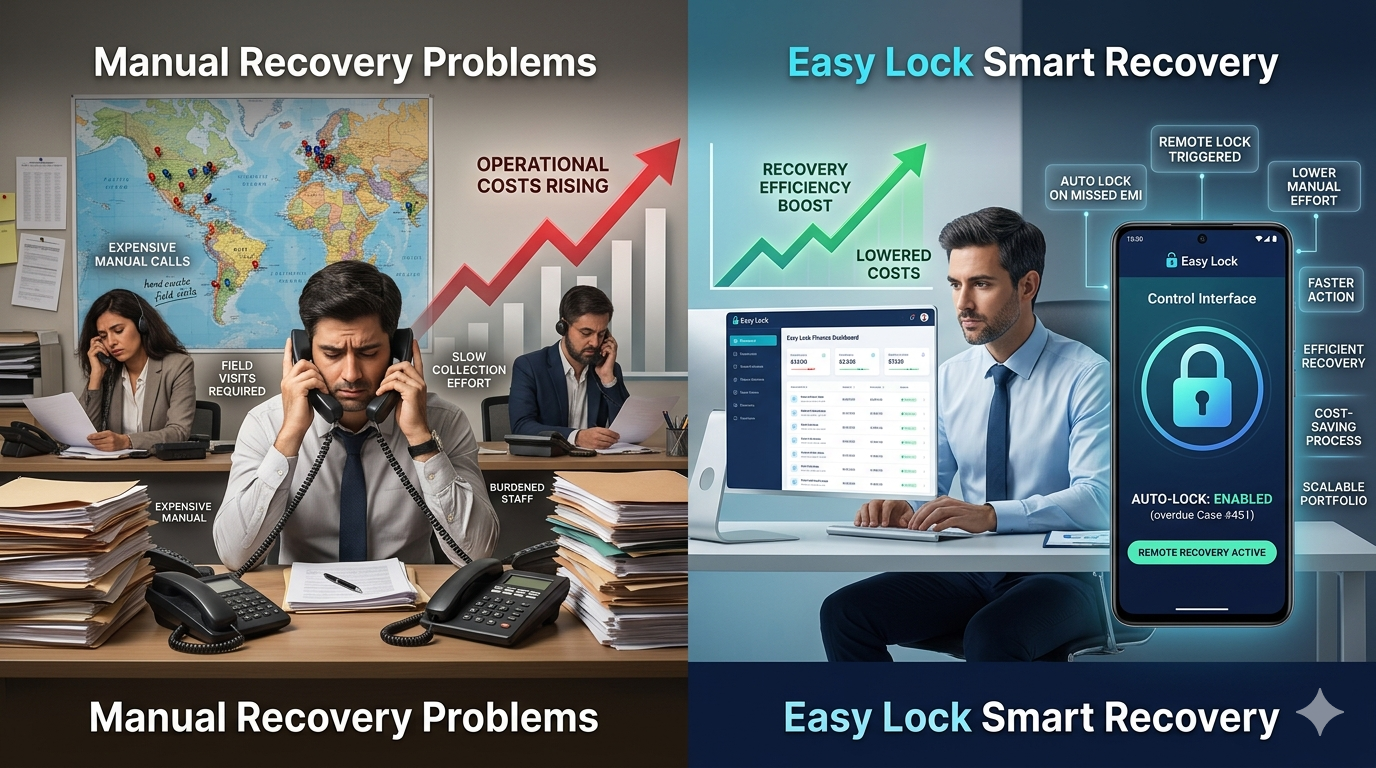
One of the most common objections lenders raise about EMI lock apps is whether device locking damages their relationship with borrowers. The reality is more nuanced. Done well, device lock technology can actually improve the customer relationship while protecting the lender's interests.
The Customer Experience Concern Is Valid
Lenders are right to think carefully about customer experience when deploying device lock technology. Locking a customer's primary means of communication and productivity is not a trivial action. If handled poorly, it creates resentment, complaints, and potential regulatory scrutiny.
The concern usually centers on three scenarios: locking customers who made payments that were not yet processed, locking for minor delays without adequate warning, and failing to unlock promptly after payment is confirmed. These are legitimate risks that poor implementation creates.
The solution is not to avoid device lock technology but to implement it thoughtfully. The difference between an EMI lock experience that damages relationships and one that reinforces them lies entirely in how the policy is designed and communicated.
Transparency at Enrollment Sets the Foundation
The single most important factor in customer experience with EMI lock is transparency at the time of purchase. Customers who are clearly informed that their device includes remote management capability — and who understand and consent to the terms — are far less likely to feel violated when enforcement happens.
EasyLock's recommended enrollment process includes a customer acknowledgment step where the borrower is informed in clear language about the device management features. This acknowledgment is documented and timestamped. It sets accurate expectations from day one.
Customers who consent knowingly tend to experience device lock events as the expected consequence of non-payment rather than as an unexpected betrayal. The framing at enrollment shapes the entire relationship.
Graduated Locking Preserves Dignity and Communication
A device lock policy that goes straight to full lock at the first missed payment damages customer relationships unnecessarily. EasyLock supports graduated enforcement that preserves customer access to essential functions while still creating meaningful consequences.
The typical graduated approach begins with automated payment reminders before the due date. If payment is missed, soft notification messages appear on the device. If the account remains overdue, selective app restrictions are applied — disabling non-essential apps while allowing calls, messages, and emergency access.
Full lock is reserved for accounts with sustained delinquency after reasonable warning and grace periods. This progression gives customers multiple opportunities to cure their account before losing full device access, which most customers perceive as fair.
Fast Unlock After Payment Is Non-Negotiable
Customer satisfaction with device lock experiences is heavily determined by how quickly the device is unlocked after payment. A customer who pays and then waits hours for their device to be unlocked will be angry regardless of how fair the locking process was.
EasyLock's instant unlock capability means the lender can restore device access within seconds of confirming payment. When integrated with automated payment systems, the unlock can happen without any human intervention at all. The customer pays, the system confirms, and the device unlocks automatically.
This speed converts what could be a negative experience into a demonstration of system responsiveness. Customers who experience fast unlocking are more likely to view the overall relationship positively and to make timely payments in subsequent months.
Temporary Unlock for Special Circumstances
Life presents unexpected situations. A customer may be overdue on payment but have a genuine emergency that requires device access. EasyLock's temporary unlock feature allows lenders to grant short-term access without fully clearing the account status.
This flexibility humanizes the lending relationship. A lender who can say "we understand you have a difficult situation, here is temporary access while we work this out" creates goodwill that rigid enforcement cannot. Customers who experience this kind of flexibility often become loyal long-term borrowers.
Conclusion
EMI lock technology does not inherently hurt customer experience. Poorly implemented lock policies hurt customer experience. Transparent, graduated, and responsive lock implementations can actually strengthen the lender-borrower relationship by demonstrating that the lender is both fair and serious about the financing agreement.
EasyLock is designed with customer experience in mind. Our graduated enforcement model, instant unlock, and temporary access features give lenders the tools to protect their portfolios without damaging borrower relationships. Contact us to learn more.
Download EasyLock on Google Play
Join 50,000+ lenders and retailers protecting financed devices across India.