Privacy, Consent, and Control: What Businesses Should Know Before Using an EMI Lock App
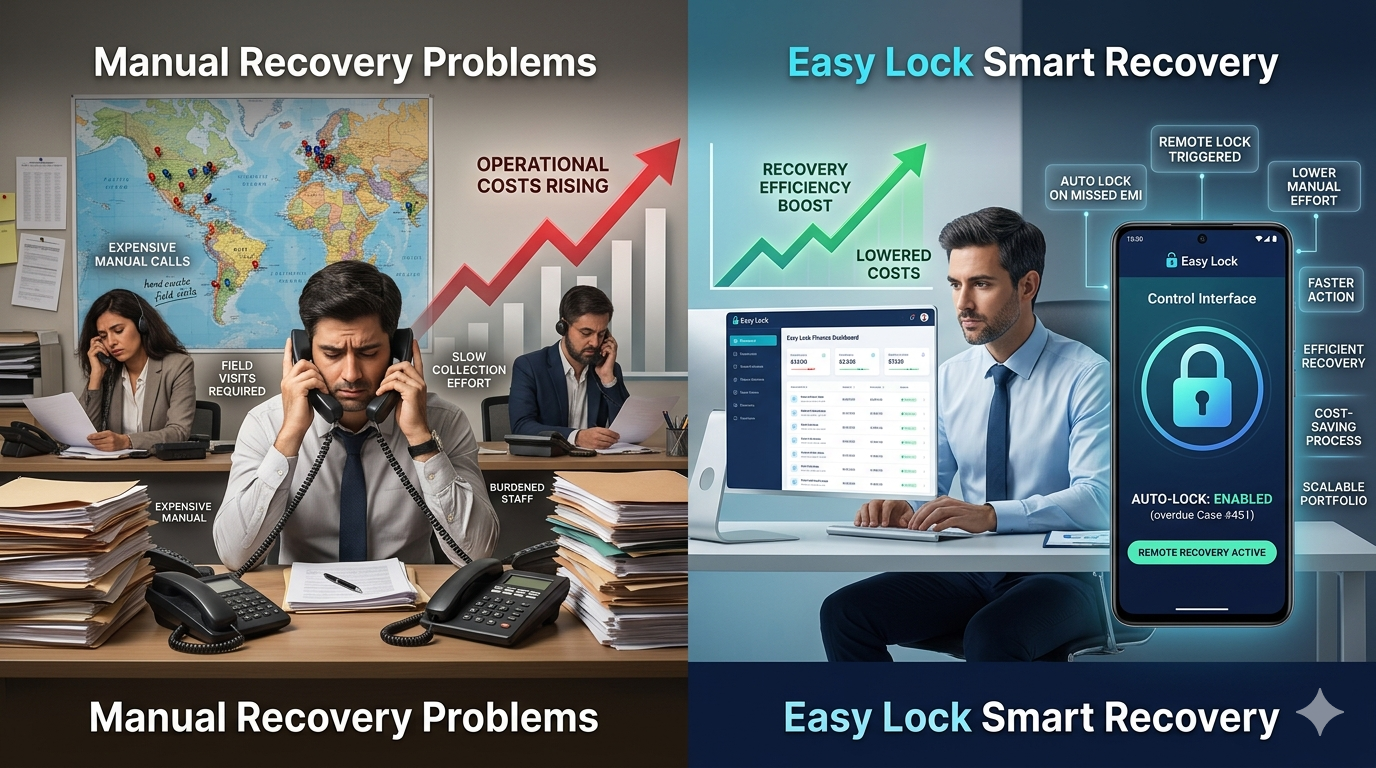
Customer trust matters in financed-device programs. Businesses should use EMI lock apps responsibly, with proper consent and transparency.
Why Customer Trust Matters in Financed-Device Programs
Customers who finance devices trust that the process is fair. They expect their payments to be handled properly. They also expect some respect for their privacy.
When device control is used appropriately, it builds confidence in the financing system. Customers know that others who do not pay will face consequences. This fairness strengthens the entire ecosystem.
However, overreaching surveillance can destroy trust. Customers who feel intruded upon become unhappy. They may badmouth the financier to others. They may not return for future business.
Balancing enforcement with respect is essential. Device control should protect the business without creating unnecessary intrusion into customer lives.
Difference Between Business Control and Unnecessary Intrusion
Business control means enforceable consequences for payment. Locking devices when payments are missed is legitimate enforcement. This protects the business interest.
Unnecessary intrusion would be tracking customer locations continuously, monitoring their communications, or accessing personal data. This goes beyond what is needed for payment enforcement.
The key principle is purpose limitation. Device control should serve one purpose: ensuring payment. It should not be used for marketing, surveillance, or other unrelated purposes.
Professional EMI lock apps are designed with these principles in mind. They provide enforcement capability without unnecessary surveillance features.
Importance of Transparent Consent and Proper Usage
Customers must understand during purchase what device control means. Finance agreements should clearly explain that devices can be locked for non-payment. This transparency makes locking enforceable.
Consent should be informed. Customers should know exactly what they are agreeing to. Vague Consent provisions create legal risk and customer complaints.
Proper usage means locking only when payments are genuinely overdue. Locking for minor delays or as intimidation would violate the trust principle. Graduated approaches work best.
Documentation supports both parties. Records of Consent and proper usage protect the business if questions arise later.
Why Finance Businesses Should Use Device Control Responsibly
Responsible use protects long-term business. Customers who feel fairly treated become repeat buyers. They refer friends and family. The business grows through positive relationships.
Irresponsible use creates legal risk. Customer complaints can lead to regulatory scrutiny. Bad press damages reputation. The short-term gain is not worth the long-term pain.
Industry reputation matters. When one financier uses device control badly, it affects everyone's reputation. Responsible practices strengthen the entire ecosystem.
Investors also care about responsible practices. ESG considerations increasingly affect funding decisions. Demonstrating responsible operations supports capital access.
How a Professional EMI Lock System Should Be Positioned
Professional systems are positioned as payment enforcement tools, not surveillance tools. The focus is on consequences for non-payment, not monitoring for its own sake. EasyLock is designed as a payment enforcement tool - it provides remote lock/unlock, app restriction, and other control features solely for ensuring repayment.
Graduated approaches are standard practice. Warnings before locks. Partial restrictions before full locks. These approaches preserve customer dignity while maintaining enforcement. EasyLock's app restriction feature enables partial locking - disabling entertainment while allowing calls.
Transparent policies should be visible. Customers should easily understand what happens if they stop paying. No surprises. Finance agreements should clearly explain device control as part of the financing terms.
Audit trails demonstrate proper use. Documentation shows that the system was used appropriately when needed. EasyLock maintains audit logs of all lock/unlock actions for compliance documentation.
EasyLock's Approach to Responsible Device Control
EasyLock is designed with responsible use principles: device control focuses on payment enforcement only, not unnecessary surveillance. Location tracking is available for device recovery, not continuous monitoring.
The platform supports graduated enforcement - warnings, partial locks, then full locks. This approach balances business protection with customer respect.
EasyLock helps businesses implement transparent consent by providing documentation templates and clear terms that can be included in finance agreements.
Audit trails support compliance - all actions are logged for regulatory documentation and dispute resolution.
Conclusion
Device control is a powerful business tool, but it must be used responsibly. Transparent Consent, proper usage, and customer respect enable the benefits without the risks.
EasyLock is designed for responsible device control. Our platform provides enforcement while respecting customer relationships. Contact us to learn about responsible EMI lock solutions.
Download EasyLock on Google Play
Join 50,000+ lenders and retailers protecting financed devices across India.