Complete Guide to Smartphone EMI Financing for Retailers and Lenders
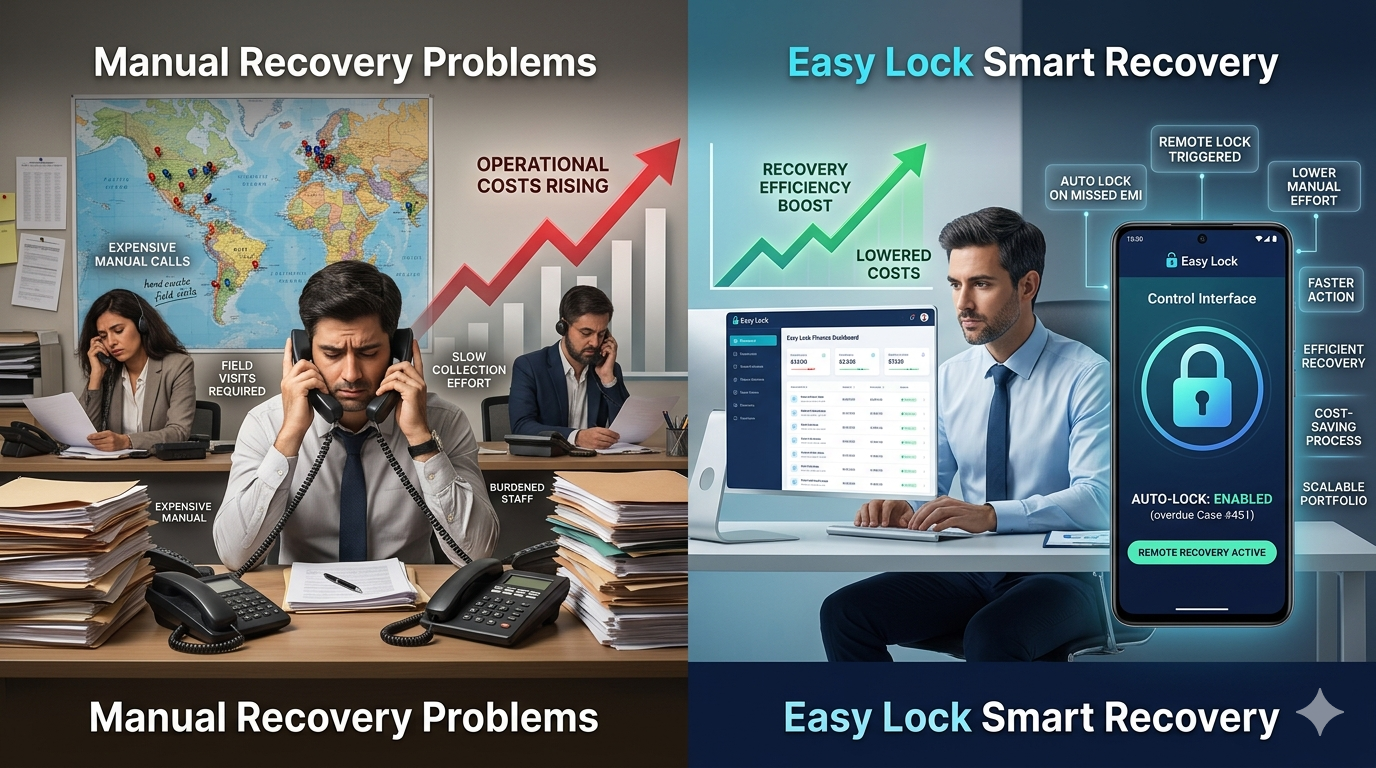
Smartphone EMI financing is one of the most lucrative segments in India's retail and lending market. But it is also one of the riskiest if done without the right systems. This complete guide walks through everything retailers and lenders need to know to build a profitable, protected device financing operation.
Understanding the Smartphone Financing Opportunity
India has the world's second largest smartphone market and among the highest growth rates in new smartphone users. A large share of this growth is driven by installment purchasing — customers who want smartphones but need to spread the cost over 6 to 24 months.
For retailers, offering EMI creates competitive advantage. Customers who cannot pay upfront choose stores that offer financing over those that require full payment. For NBFCs and fintech lenders, device financing provides a secured lending product with built-in collateral and strong customer demand.
The opportunity is real, but the execution determines whether device financing is profitable or costly. The difference between lenders who make money on device financing and those who do not comes down to systems, protection, and processes.
Setting Up Your Financing Structure
Before enrolling the first device, retailers and lenders need to establish the basic financing framework. This includes the loan amounts they will offer, the installment periods (typically 6, 12, or 18 months), the interest rates or processing fees, and the down payment requirements.
Credit assessment processes need to be defined, even if basic. What identification is required? Is there a minimum income requirement? Will you check existing loan obligations? Even a simple credit check process significantly reduces default risk compared to lending without any assessment.
Documentation requirements should be clear and standardized. Customer name, address, phone number, ID proof, device IMEI, and EMI schedule documentation form the minimum record set for every device loan. Adding the device management consent documentation is both a legal requirement and a risk management step.
Choosing and Deploying EMI Lock Protection
Device protection through an EMI lock app is the single most important risk management decision in device financing. Without it, the default risk makes the economics of device financing marginal or negative. With it, the business becomes commercially viable even for customers with limited credit history.
Select an EMI lock platform that handles all the requirements discussed in this guide: simple enrollment, anti-tamper protection including FRP, auto lock on EMI failure, offline unlock codes, location tracking, SIM tracking, and a portfolio dashboard. EasyLock provides all of these in one integrated platform.
Deploy protection at the point of sale, not as an afterthought. The most common mistake new financing operations make is treating device protection as optional or as something to add later. By the time you realize it is necessary, you may already have unprotected devices in default.
Customer Onboarding Best Practices
The quality of the customer onboarding process determines both the compliance foundation and the initial payment behavior. Customers who are clearly explained the terms, understand the consequences of non-payment, and consent to device management are more likely to honor their obligations.
Walk every customer through the EMI schedule at the time of purchase. Show them the due dates, the amounts, and the payment method. Provide them with a copy of the schedule. Explain the device management features clearly and obtain signed consent. These steps take five extra minutes but significantly reduce disputes and defaults.
Set up automated payment reminders from day one. Customers who receive reminders before due dates have higher on-time payment rates. Configure your EMI lock platform to send reminders 3 to 5 days before each due date as a baseline.
Managing Your Portfolio Actively
Once devices are enrolled and loans are disbursed, active portfolio management separates successful operations from struggling ones. Review your dashboard regularly. Monitor overdue rates. Act early on at-risk accounts before they reach serious delinquency.
EasyLock's portfolio analytics highlight accounts showing early warning signs before they become defaults. Using these signals to make proactive collection calls or send targeted messages keeps the majority of accounts current without requiring lock enforcement.
Growing the Business Sustainably
Device financing businesses that manage risk well can grow significantly. Lower default rates free up capital for new loan disbursements. Satisfied customers who complete their financing agreements become repeat customers and refer friends and family. The business builds on itself when the fundamentals are right.
Scaling requires that systems scale with the business. EasyLock's pricing model is designed to grow with your portfolio — from the Starter tier for small operations to Enterprise Plus for large-scale lenders managing thousands of devices. The platform grows as you grow without requiring system changes or migrations.
Conclusion
Smartphone EMI financing is a proven business opportunity for Indian retailers and lenders. The key to success is building the right systems from the start — clear financing structure, proper documentation, robust device protection, active portfolio management, and scalable tools that grow with the business.
EasyLock is the platform that makes all of this possible. From the first device enrollment to managing a portfolio of thousands, contact us to build your device financing operation on a solid foundation.
Download EasyLock on Google Play
Join 50,000+ lenders and retailers protecting financed devices across India.