How Location Tracking Helps Lenders Recover Financed Devices
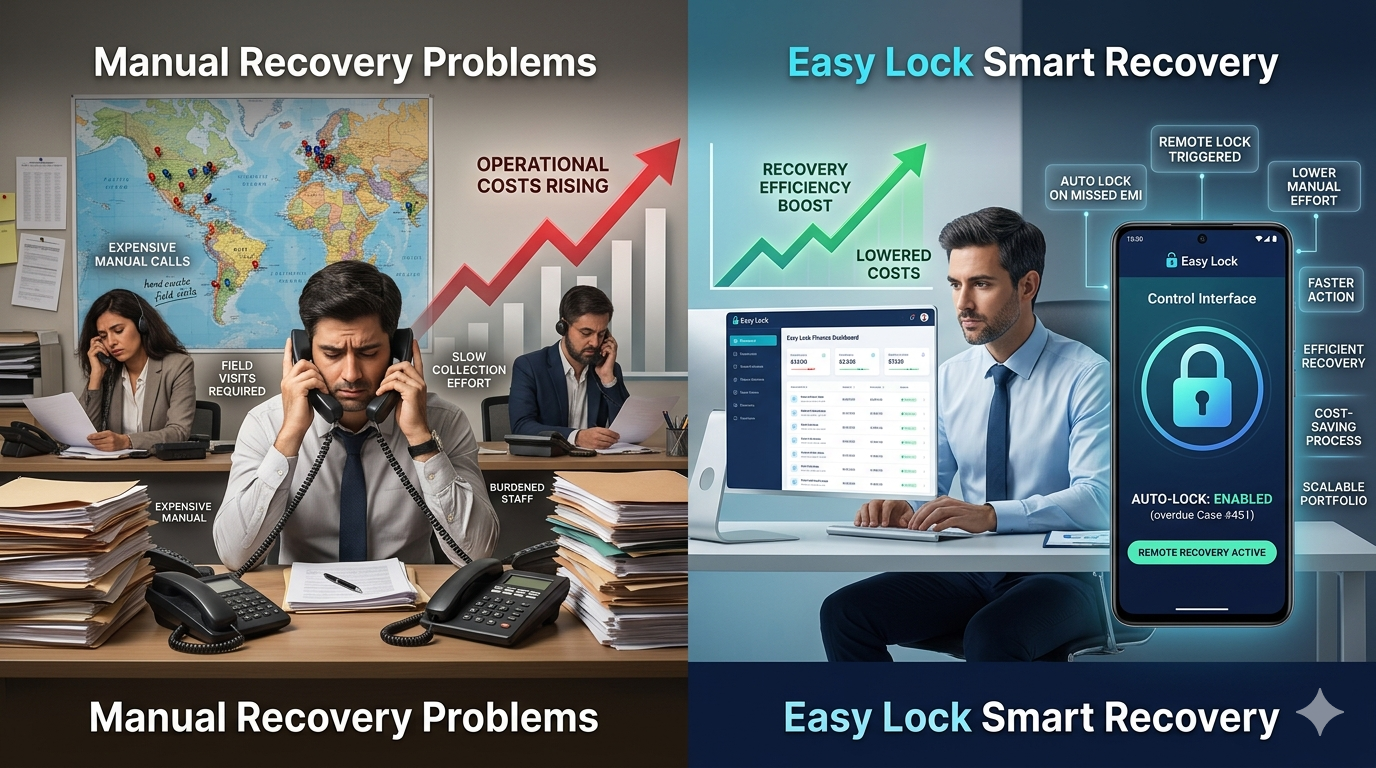
Remote locking resolves the majority of overdue EMI situations. But for a small percentage of cases where borrowers have become completely uncontactable, location tracking becomes the tool that makes physical device recovery possible. Understanding how it works helps lenders use it effectively and ethically.
When Remote Resolution Is Not Enough
Most EMI default situations resolve through the lock-pay-unlock cycle. The device is locked, the customer contacts the lender to arrange payment, and the device is unlocked. This process works for the vast majority of delinquent accounts.
But a small percentage of accounts involve borrowers who have completely ceased contact. They may have changed their phone number, moved without notifying the lender, or deliberately gone dark to avoid their obligations. In these cases, remote lock enforcement is still active but the customer is not responding to any communication.
For these escalated cases, knowing where the device physically is becomes necessary for recovery teams to make targeted field visits or coordinate with police when applicable.
How EasyLock Location Tracking Works
EasyLock's location tracking feature records the GPS coordinates of enrolled devices at regular intervals. This location data is stored in the partner dashboard and accessible to authorized users on the lender's team.
The dashboard displays current and historical location data for each device. Lenders can see the device's last known location, location history over time, and patterns in device movement. This information is available for any device in the enrolled portfolio, not just those in active collection.
When a recovery team needs to locate a specific device, they access the device's location history from the dashboard. Recent location data indicates where the device is currently being used. Historical patterns reveal likely addresses — the device consistently showing at the same location overnight is very likely the borrower's home address.
Legal and Compliance Considerations
Location tracking of financed devices must be disclosed to borrowers at the time of purchase and enrollment. EasyLock's recommended consent documentation includes explicit disclosure that the device includes location monitoring capability as part of the financing agreement.
This disclosure serves two purposes. It fulfills legal requirements for transparency in data collection. And it acts as a deterrent — borrowers who know their device is tracked are less likely to attempt to evade recovery by simply moving without providing a new address.
Location data should be used exclusively for loan recovery purposes and handled with appropriate data security. EasyLock's data protection architecture ensures that location data is securely stored and accessible only to authorized personnel within the lender's organization.
Location Tracking as Deterrence
Beyond its practical recovery value, location tracking changes borrower behavior at a psychological level. Borrowers who know their device can be located have less incentive to attempt evasion. The impossibility of simply disappearing with a financed device without facing consequences reduces the willingness to try.
This deterrence effect is arguably more valuable than the direct recovery use. Preventing default attempts through awareness of consequences reduces the number of cases that ever reach the escalated recovery stage.
Combining Location with Other Recovery Signals
Location tracking works best when combined with other monitoring signals. SIM swap detection, device usage patterns, and communication history together provide a complete picture that recovery teams can act on intelligently.
A device that shows consistent evening location at one address, experienced a SIM swap three weeks ago, and has been locked for 21 days with no contact from the borrower presents a specific recovery profile. The location data guides the field team. The SIM swap history suggests the borrower is actively using the device. The lock duration indicates the situation is not resolving remotely.
Conclusion
Location tracking is an important capability for escalated recovery scenarios that remote enforcement cannot resolve. Used responsibly and transparently, it provides the information that makes physical recovery viable while deterring evasion attempts in the first place.
EasyLock includes location tracking as a standard feature alongside SIM tracking and comprehensive device monitoring. Contact us to understand the full monitoring suite and how it supports your recovery operations.
Download EasyLock on Google Play
Join 50,000+ lenders and retailers protecting financed devices across India.