How Auto Lock on EMI Failure Works: A Step-by-Step Guide for Lenders
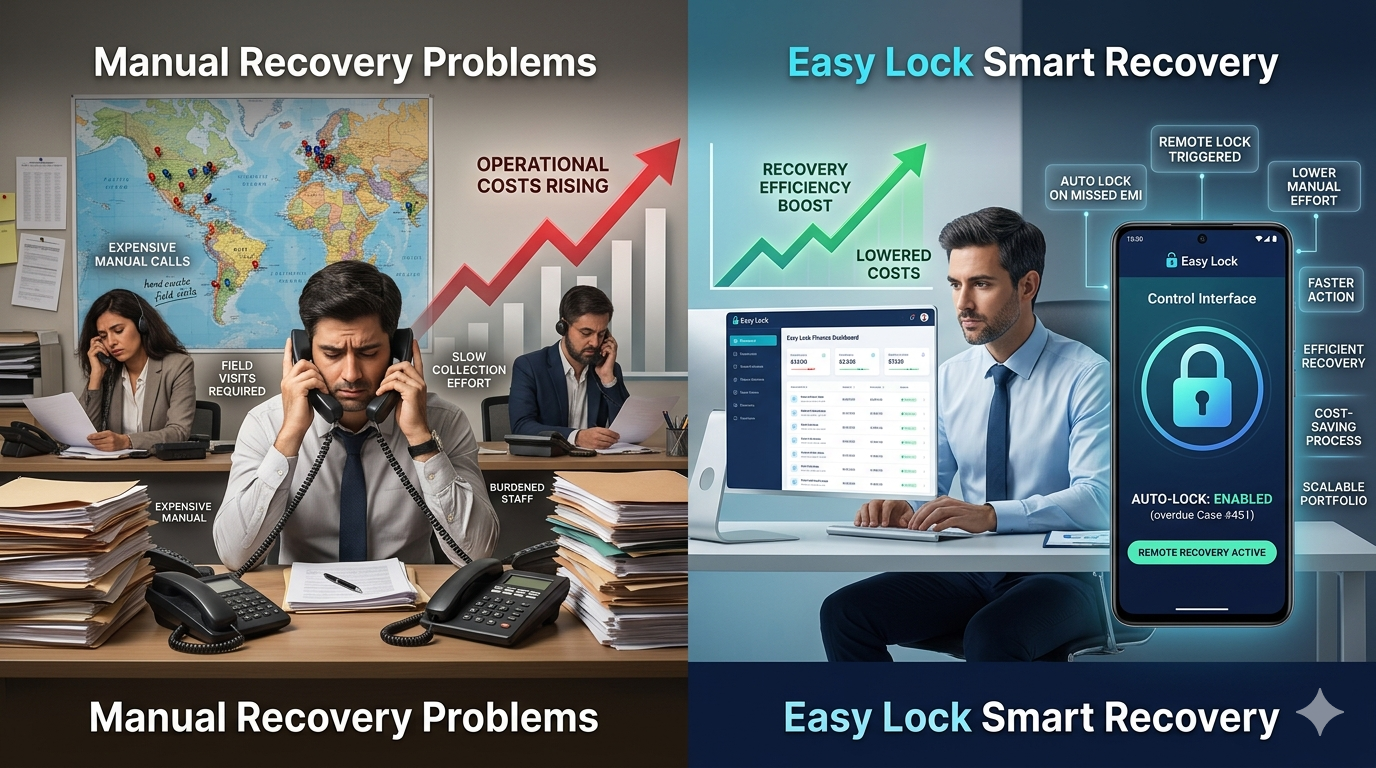
Auto lock on EMI failure is the feature that transforms EMI lock from a reactive collection tool into a proactive enforcement system. Understanding exactly how it works helps lenders configure it correctly and explains to customers why their device may get locked automatically when payments are missed.
What Is Auto Lock on EMI Failure?
Auto lock on EMI failure is an automation feature that triggers a device lock command without any manual action from the lender when a payment becomes overdue by a configured amount of time. Instead of requiring a collection team member to identify the overdue account and manually initiate a lock, the system detects the missed payment and locks the device automatically.
This automation is what makes EMI lock technology scalable. A lender with hundreds of devices in their portfolio cannot manually track every payment due date and initiate locks on every overdue account. Auto lock handles enforcement consistently across the entire portfolio at any scale.
Step 1: Payment Due Date Configuration
The auto lock process begins when a device is enrolled and the customer account is created in EasyLock. The lender sets up the EMI schedule with the payment amount, frequency, and due dates for the entire loan term. This schedule becomes the trigger basis for all automated enforcement actions.
Each due date is stored in the system and monitored automatically. The system begins tracking the payment status relative to each due date from the moment the account is created.
Step 2: Pre-Due Date Reminders
A well-configured auto lock policy does not jump straight to locking. EasyLock's automation first sends payment reminder notifications to the device in the days before the payment due date. These reminders appear on the customer's phone screen as notifications, prompting them to arrange payment before the due date passes.
Proactive reminders reduce the number of accounts that actually reach the lock stage. Many customers who would have forgotten to pay are prompted by the reminder and pay on time. The reminder step preserves customer relationships and reduces the operational burden on collection teams.
Step 3: Grace Period Monitoring
After the due date passes without payment, the grace period begins. EasyLock allows lenders to configure a grace period — typically 3 to 7 days — during which the account is overdue but no lock action is taken. The system continues to send reminder notifications during this period.
The grace period accounts for payment processing delays, banking system outages, and customers who pay shortly after the due date. Locking immediately after a due date is passed would create unnecessary conflict with customers who are not genuinely defaulting.
Step 4: Automatic Lock Trigger
When the grace period expires and payment has still not been confirmed, the auto lock trigger fires. EasyLock sends the lock command to the device over the internet or mobile data connection. The device receives the command and locks, displaying a screen that informs the customer that their payment is overdue and provides contact information for resolution.
This entire process happens without any human intervention. The collection team receives a dashboard notification that the device has been locked, but no manual action from them was required to initiate it.
Step 5: Automatic Unlock on Payment
When payment is received and confirmed in the lender's payment system, the unlock command fires automatically if integrated with EasyLock's API. The device unlocks within seconds of payment confirmation. The customer's experience is that paying immediately restores their device, reinforcing the clear cause-and-effect relationship between payment and device access.
Why Automation Consistency Matters
Manual enforcement is inconsistent by nature. Some overdue accounts get attention quickly while others wait based on staff availability, priority decisions, or simply oversight. This inconsistency creates problems: some customers receive preferential treatment, and some overdue accounts age into serious delinquency before action is taken.
Auto lock applies the same policy to every account without exception. This consistency protects lenders from bias claims and ensures that no overdue account is accidentally overlooked during high-volume periods.
Conclusion
Auto lock on EMI failure is the operational backbone of a scaled device financing operation. It removes the manual bottleneck from enforcement, ensures consistency across the portfolio, and creates the real consequences that drive repayment discipline.
EasyLock's auto lock feature is configurable to match any lender's specific policy requirements. Contact us to understand how to set it up for your portfolio.
Download EasyLock on Google Play
Join 50,000+ lenders and retailers protecting financed devices across India.