How EMI Lock Apps Are Making Mobile Financing Viable in Rural India
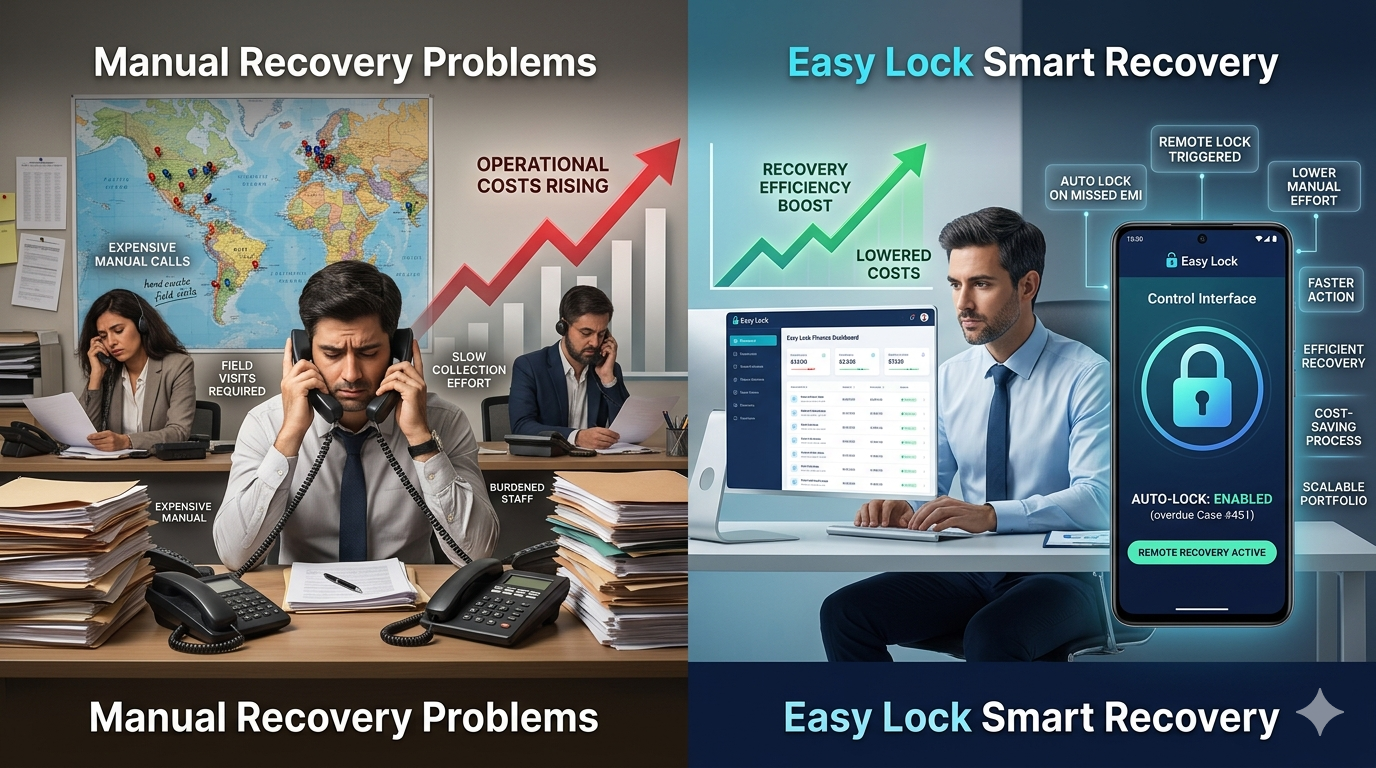
Rural India represents the largest untapped opportunity in mobile device financing. Hundreds of millions of people in Tier 2, Tier 3, and rural markets want smartphones but cannot pay upfront. EMI lock technology is making it safe for local retailers and NBFCs to serve this demand.
The Rural Financing Gap
Mobile phone ownership is aspirational for millions of rural Indian families. A smartphone connects them to digital payments, government services, agricultural information, and family communication. The demand is real and urgent. The ability to pay in installments is what makes ownership possible for most of these potential buyers.
But financing rural customers has always been risky for retailers. Without branch banking infrastructure, physical recovery of defaulted devices is practically impossible. Field teams cannot cost-effectively reach dispersed rural borrowers. Legal action is economically unjustifiable for loan values under ₹30,000.
The result has been that rural customers with genuine demand are turned away from financing because lenders cannot manage the risk. EMI lock technology changes this equation by creating enforcement capability that does not depend on physical presence.
Why Rural Markets Need Offline Functionality
Rural India's internet connectivity is improving but remains inconsistent. 4G coverage gaps mean that devices in some areas may go hours or days without a reliable internet connection. An EMI lock solution that depends on constant connectivity to enforce locks or confirm unlocks will fail in these conditions.
EasyLock's offline unlock codes are specifically valuable in rural contexts. When a customer in a village pays their EMI and needs their device unlocked, they call the retailer. The retailer generates an offline code from their phone and reads it to the customer. The customer enters the code. The device unlocks. No internet required on either end.
This offline capability is not a backup feature — for rural markets, it is the primary unlock mechanism that makes the system practical.
Simple Enrollment for Non-Technical Retailers
Rural and small-town mobile retailers typically do not have IT support. They run small shops with minimal staff. Any device protection solution that requires technical expertise to deploy will simply not be used by this segment, regardless of how good the protection technology is.
EasyLock's single QR enrollment process is designed for exactly this environment. A retailer who has never managed IT systems can enroll a device correctly on their first attempt. The training required is minimal — scan the QR code during the sale, fill in the customer details, and the device is enrolled.
This simplicity extends the reach of device financing protection into markets that more complex MDM solutions have never been able to serve effectively.
Reducing Default Risk in Low-Credit-History Markets
Rural borrowers often have no formal credit history. They are not in any bureau database. Traditional credit scoring cannot assess their risk profile. This makes lenders reluctant to extend credit even to borrowers who have strong informal reputations for reliability in their communities.
Device lock technology changes the risk calculation by providing a control mechanism that makes credit history less critical. Even a first-time borrower with no credit record represents manageable risk when the financed device can be locked remotely if payments stop.
Over time, as these borrowers build repayment records through device financing, they become qualified for other financial products. Device financing becomes the credit-building entry point for millions of rural Indians into the formal financial system.
Economic Impact on Rural Retailers
For rural mobile retailers, the ability to offer EMI with protected devices opens a significantly larger market. Customers who would not have purchased because they could not pay upfront become buyers. Revenue increases. The retailer gains competitive advantage over shops that cannot offer financing.
Working capital improves when loss rates from defaults drop. The capital that previously went to write-offs stays in the business, supporting inventory investment and business growth.
Conclusion
Rural India's mobile financing potential has long been held back by the risk of default without effective enforcement. EMI lock technology removes this barrier by providing reliable, offline-capable, easy-to-deploy protection that works in the conditions that rural markets present.
EasyLock is helping retailers and lenders reach rural markets safely. Contact us to learn how our platform performs in Tier 2, Tier 3, and rural deployment scenarios.
Download EasyLock on Google Play
Join 50,000+ lenders and retailers protecting financed devices across India.