EMI Default Rates in India's Mobile Financing Market and How to Control Them
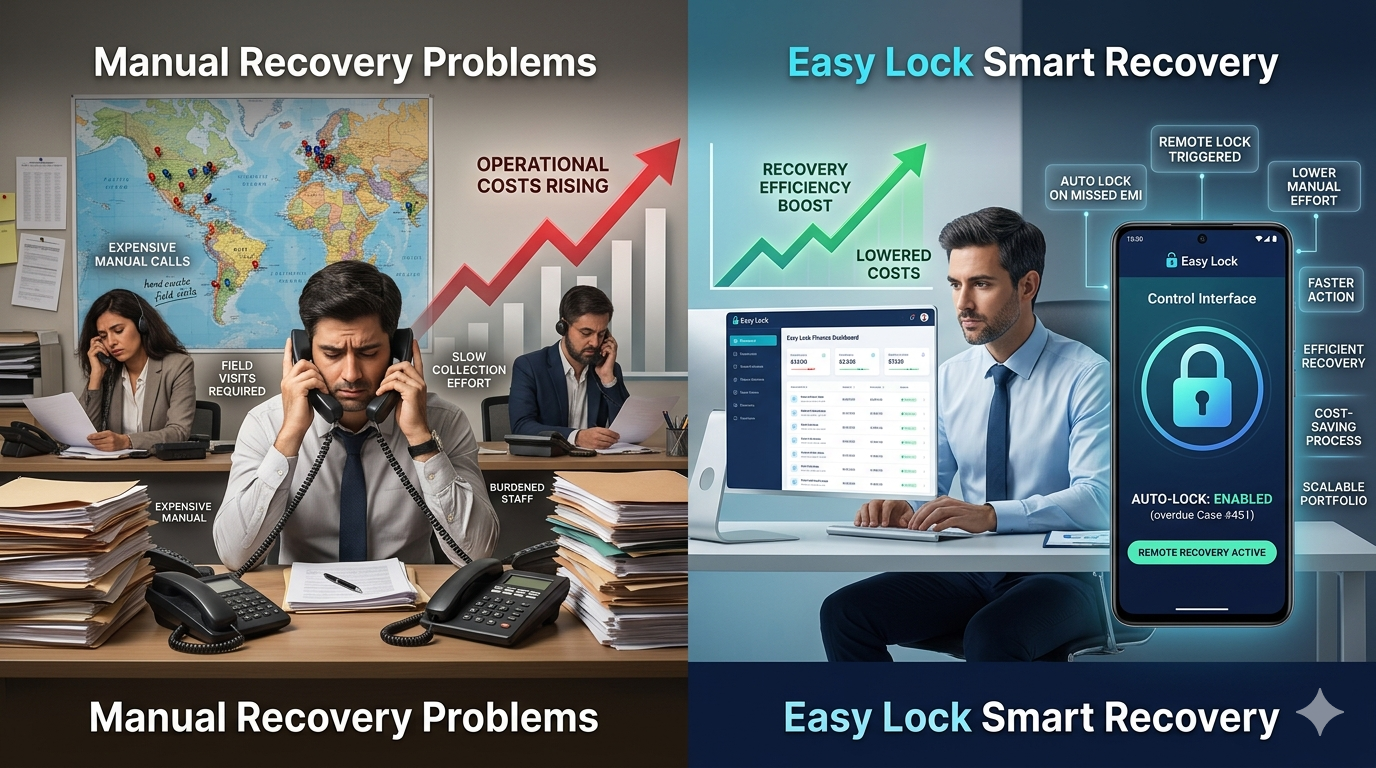
Mobile financing default rates in India are a persistent challenge for lenders, retailers, and fintech companies. Understanding why defaults happen and how device lock technology can systematically reduce them is essential for anyone operating in this market.
The Scale of the Default Problem in India
India's mobile financing market processes millions of transactions annually. Smartphones financed through NBFCs, retailers, and digital lending platforms represent significant outstanding loan value at any given time. Even modest default rates translate into substantial losses across this volume.
Default rates in mobile financing tend to be higher than in secured lending categories because the collateral is difficult to recover. Unlike a car or property, a smartphone is small, portable, and easily hidden. Traditional enforcement mechanisms were not designed for this type of collateral.
The customer base for affordable smartphone financing often lacks formal credit history. First-time credit borrowers and thin-file customers present higher default risk by definition, yet they represent the fastest-growing segment of device financing demand.
Why Defaults Happen in Mobile Financing
Willful default is more common in mobile financing than in other lending categories. Unlike a home loan where the borrower has a strong personal attachment and significant documentation, a smartphone default carries lower perceived consequences for many borrowers.
When borrowers discover that collection calls are the only enforcement mechanism, some simply stop answering the phone. The lack of real consequences for non-payment enables this behavior. Each successful default that goes unpunished encourages more of the same within borrower networks.
Genuine inability to pay is also a factor, particularly among lower-income borrowers who stretched their budgets to afford a device. Job loss, medical expenses, or family emergencies can push customers into default even when they had every intention of paying.
How Device Lock Technology Changes Default Behavior
Device lock technology fundamentally changes the default calculus for borrowers. When a smartphone can be rendered unusable remotely, non-payment has immediate and tangible consequences. The borrower cannot simply ignore collection calls because their device stops working.
EasyLock partners consistently report significant reductions in default rates after deploying device lock technology. The preventive effect is actually larger than the recovery effect. Most borrowers who know their device can be locked never actually experience a lock because they prioritize EMI payments to avoid it.
Auto lock on EMI failure removes the time lag between missed payment and enforcement. Instead of waiting for collection teams to identify and act on overdue accounts, the lock triggers automatically within the configured grace period. This speed of response is a key factor in reducing default rates.
Strategies for Controlling Default Rates
Graduated enforcement preserves customer relationships while maintaining payment discipline. Starting with automated reminders before the due date, progressing to notification messages after missing payment, and only applying locks after a defined grace period gives genuine defaulters time to pay while creating real consequences for willful non-payment.
Proactive communication matters as much as enforcement. Customers who receive clear reminders about upcoming payments and understand the consequences of missing them are less likely to default than customers who receive no engagement until they are already overdue.
Portfolio segmentation helps focus resources. Not all overdue accounts have the same recovery probability. EasyLock's portfolio dashboard and analytics help lenders identify high-risk accounts early and prioritize intervention before accounts reach serious delinquency.
The Economics of Default Reduction
Reducing default rates by even a few percentage points has an outsized impact on profitability in mobile financing. Lower defaults mean lower provisioning requirements, better capital efficiency, and improved investor confidence. The cost of EasyLock's per-device subscription is typically recovered many times over through improved recovery rates.
Conclusion
Default rates in India's mobile financing market are controllable with the right technology. Device lock apps that create real consequences for non-payment change borrower behavior and protect lender portfolios at scale.
EasyLock helps lenders achieve industry-leading recovery rates. Contact us to understand how our platform can reduce defaults in your portfolio.
Download EasyLock on Google Play
Join 50,000+ lenders and retailers protecting financed devices across India.